
How we make a difference
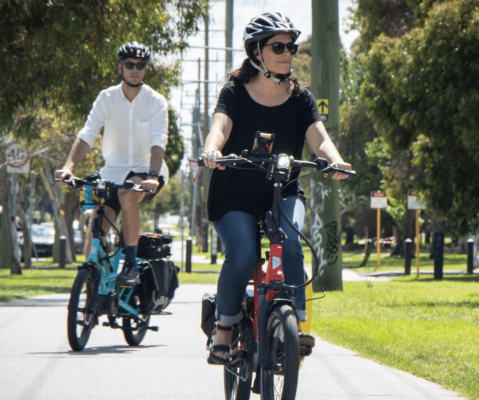
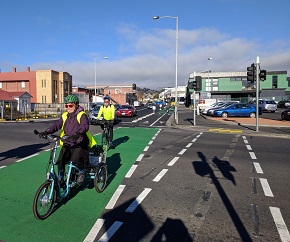
With the help of nearly 50,000 members nationwide, Bicycle Network is making it easier for everybody to ride a bike, every day.
ADVOCACY
MEMbership
BEHAVIOUR CHANGE
Services

EVENTS
Latest bike riding news

Hobart’s hillier suburbs in line for mobility plan
The City of Hobart has launched its next local area mobility plan, this time covering the hilly West Hobart and Mt Stuart suburbs.

Police hunt hit-run driver
Police are seeking witnesses after a car struck a bike rider in Cheltenham and failed to stop.
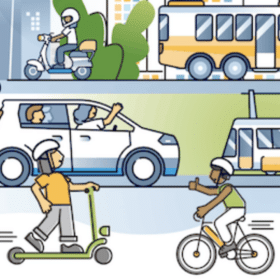
Whittlesea wants congestion whittled away
Rapidly growing suburbs in Melbourne’s far north are already being squeezed by traffic congestion even though the region is only partially developed and the many...
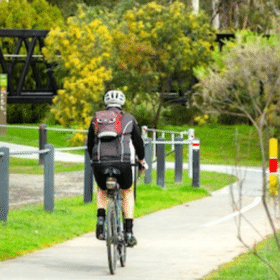
Nillumbik looks for transport solutions
The rolling hills of Melbourne’s north-eastern bushland suburbs is where many Australian nature lovers make their home, but when it comes to getting around the...
… want to hear more?
Time to get on your bike
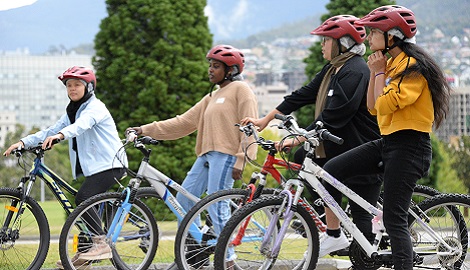
From social rides to self-guided tours, we are happy to share the wonderful cycling experiences Tasmania has to offer.
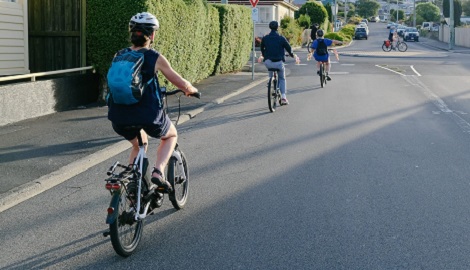
Back on your bike helps people to start riding again with a skills refresher, basic bike maintenance and group ride.
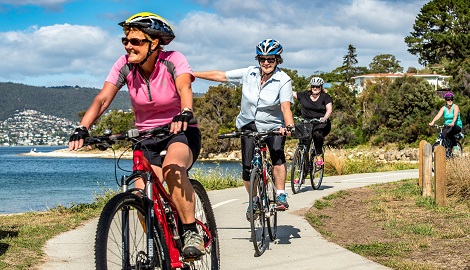
Join one of our Bike Week activities
Get active, have fun and connect with your local bike riding community during Tasmanian Bike Week.
Check out what else is happening in your state
Join the team
Volunteer with us

Volunteer with us to help make bike riding easier.
Whether you join us in the office, or out on one of our iconic events, you’ll learn new skills, build great relationships and play a role in building a nation of bike riders.
Learn moreBecome our friend
Find out more about Bicycle Network and support us in making it easier for people to ride bikes.